Insights
/
The Power of Natural Fibers: Silk, Cashmere and Wool Compared

Somewhere between fast fashion and the endless scroll of synthetic "silky" alternatives, it's easy to forget that fabric was never meant to be disposable. For centuries, natural fibers, silk, cashmere, wool, were chosen not for how cheaply they could be produced, but for how they actually behaved against skin and hair. That distinction still matters, arguably more now than ever, in a market flooded with materials designed to look like the real thing without doing what the real thing does.
Silk: The Fiber Built for Contact
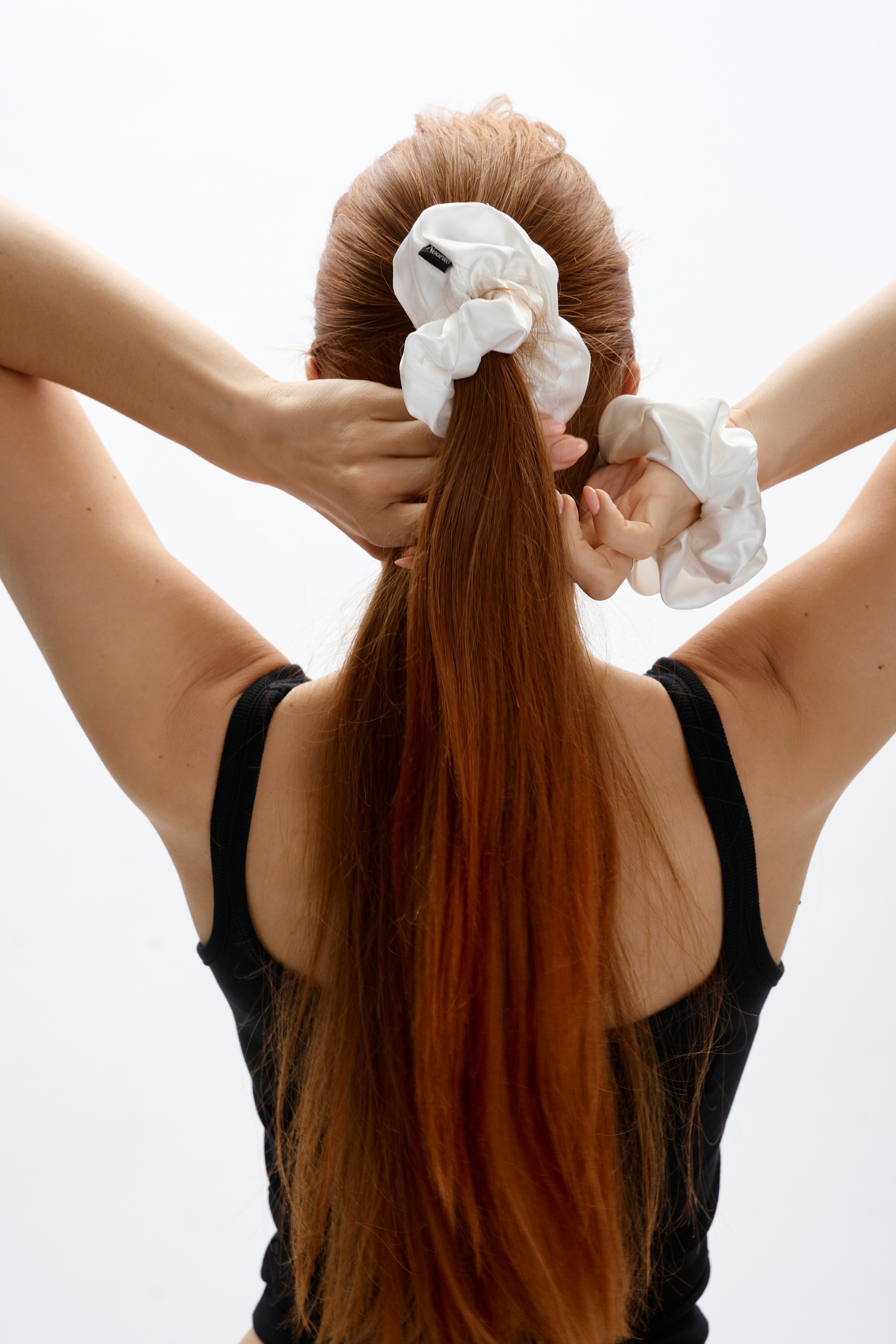
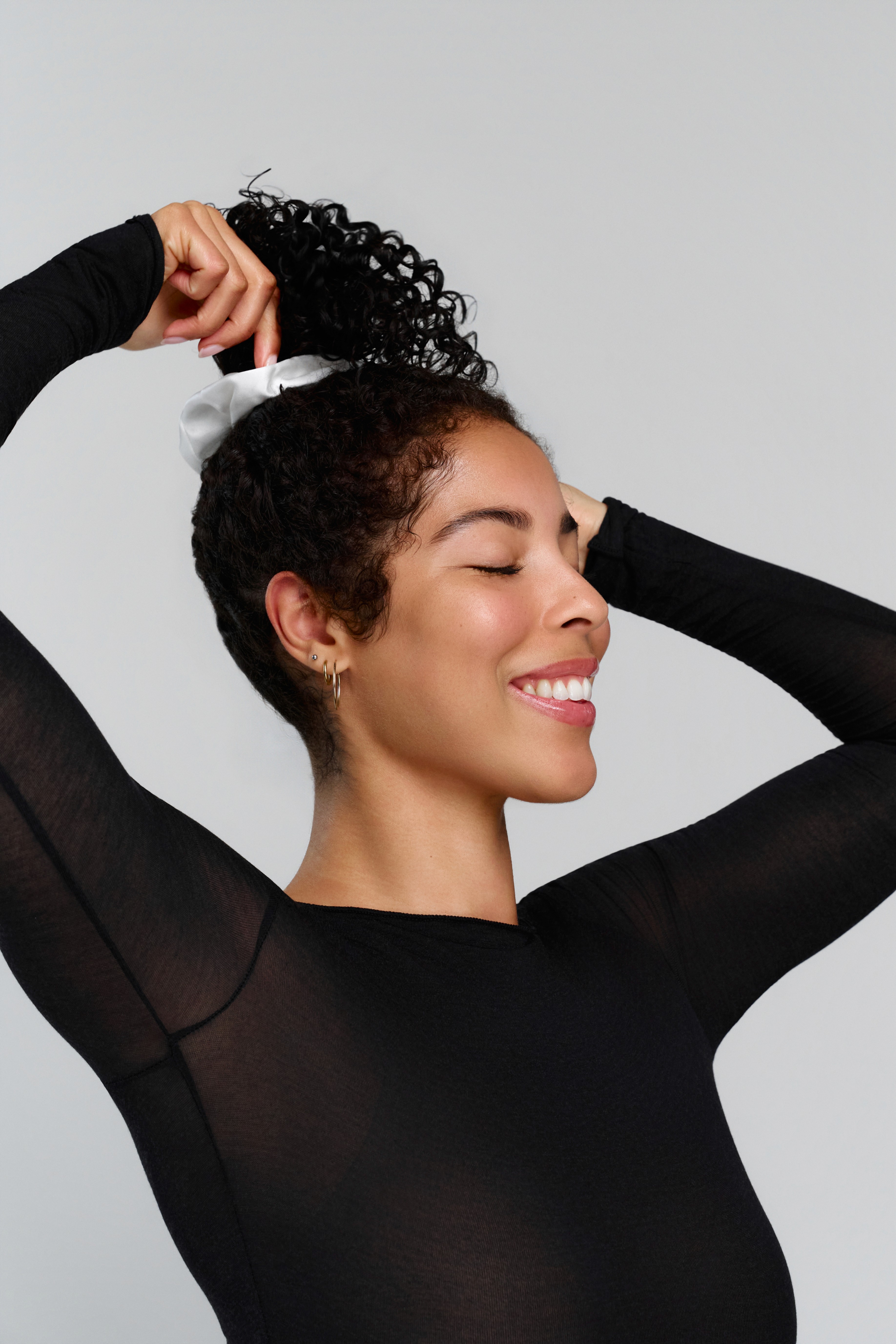
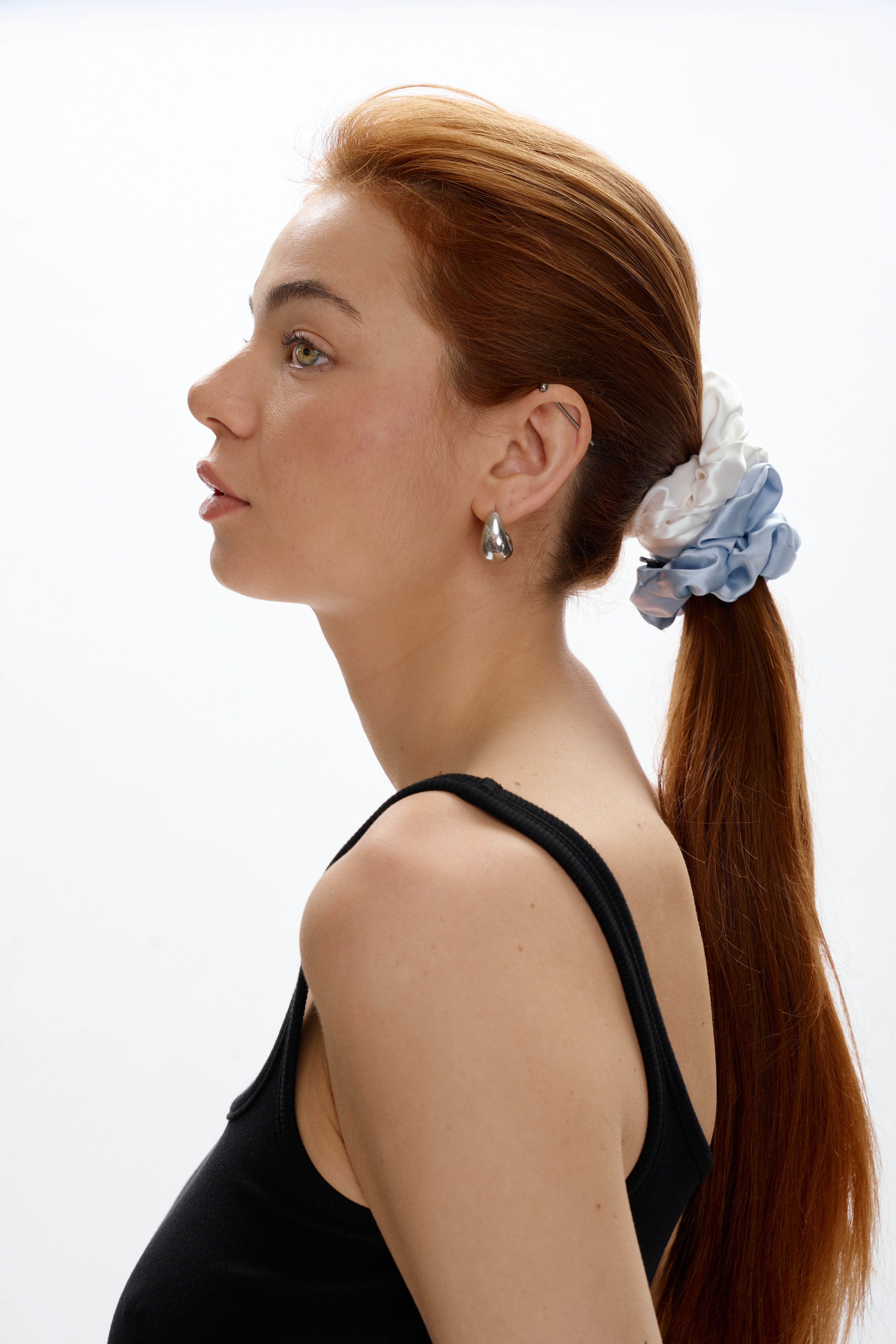
Of all the natural fibers, silk has the closest relationship with beauty and self-care, and for good reason. Its filament is smoother and rounder than almost any other fiber, natural or synthetic, which means less friction wherever it touches skin or hair. That single structural fact is behind most of what silk is known for: fewer sleep creases, less hair breakage, curls and waves that hold their shape overnight instead of flattening under pressure.
Not all silk behaves identically, though. Mulberry silk, made from silkworms raised specifically on mulberry leaves, offers the smoothest, most consistent fiber and is generally considered the standard for anything touching skin or hair directly. Other varieties, tussah, charmeuse, habutai, bring their own texture and weight, better suited to scarves, robes, or looser garments than to a pillowcase you'll rely on every night. Choosing the right type isn't a technicality, it's the difference between a fabric that performs and one that simply looks the part.
Cashmere: Warmth Without the Weight
Cashmere earns its reputation honestly. Sourced from the soft undercoat of cashmere goats, it provides genuine thermal insulation at a fraction of the weight of most warm fabrics, without the coarseness that makes many winter materials irritating against skin. Unlike synthetic insulation, cashmere is breathable, which matters more than it sounds: trapped heat and moisture are what turn a warm layer into an irritating one. For hair specifically, a cashmere scarf or hood offers a gentler alternative to wool during colder months, warmth without the friction that comes from rougher winter fabrics.
Wool: Durable, If You Choose It Well
Wool has protected people from harsh weather for longer than almost any other textile, and its durability and warmth are well earned. But not all wool is equal against skin. Coarser wool can be genuinely irritating, especially worn directly over hair or against sensitive skin, which is why the quality of the wool matters as much as the fact that it's wool at all. Finer, softer varieties like merino offer the same breathability and protection with considerably less friction, making them a far better choice for anything worn near the face, hairline, or scalp.
Beyond the Big Three
A handful of other natural fibers round out the picture, each with a genuine, specific strength rather than a universal one. Linen is exceptionally breathable and suited to warm, humid climates in a way few other fabrics match. Alpaca is soft, naturally hypoallergenic, and insulating, a strong option for sensitive skin that still needs warmth. Cotton remains soft and highly absorbent, useful in plenty of contexts, though that same absorbency is exactly what makes it a weaker choice for anything meant to sit against skin or hair overnight, since it draws moisture and product away rather than letting them stay where you put them.
Bamboo deserves a more honest note than it usually gets. Most "bamboo" fabric on the market is actually bamboo viscose, a heavily processed rayon, and the antibacterial properties often used to market it largely don't survive that processing. What genuinely holds up is its breathability and quick-drying nature, real advantages, just not the ones the label tends to lead with. It's a useful reminder that natural origin and finished-fabric performance aren't always the same claim, whatever the packaging suggests.
Why This Matters Beyond Aesthetics
Choosing natural fibers isn't only about how something looks or feels in the moment. It's a quieter form of self-care, fabric that works with your skin and hair instead of working against them, night after night, season after season. Synthetic alternatives can imitate softness convincingly, but they rarely replicate the underlying structure that makes natural fibers actually functional, the breathability, the low friction, the way they support rather than strip moisture. That difference tends to show up slowly, in fewer split ends, less irritation, mornings that require less repair than the night before.
Final Thought
The power of natural fibers isn't a trend, it's simply what happens when material science and comfort are allowed to align. Silk that protects curls overnight, cashmere that warms without weighing down, wool that insulates without irritating, each does one thing extremely well because it was never trying to be a cheaper version of something else. Choosing them isn't about luxury for its own sake, it's about choosing materials that were built to actually do the job you're asking of them.
share